Who You Are Isn't Fixed
Personality assessments and how you change over the years
5/4/20262 min read
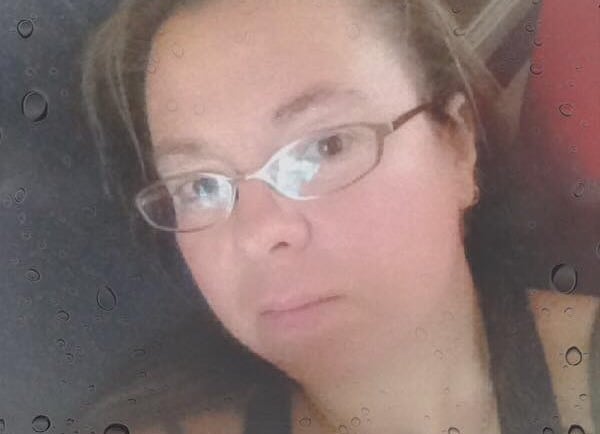

For as long as I can remember, I’ve been drawn to personality tests and assessments, trying to figure out who I was, and just as importantly, who I wasn’t.
While preparing for my Navigating Life Without a Map workshop, I tried another one.
What has emerged is my understanding that personality and temperament aren’t as fixed as we’re often led to believe. There may be core traits that stay with us, but the language used to describe us can shift as life changes.
At one point, I’m told, I was very much a choleric. The result I received this morning described me as phlegmatic/melancholic. And without needing to analyze it too deeply, it felt accurate.
Not because I’ve become someone entirely different, but because I’ve lived differently. When your life doesn’t follow a predictable sequence, it makes sense that the way you understand yourself would change too. Different experiences shape how you respond, what you value, and how you move through the world.
But instead of recognizing that as natural, many of us quietly wonder if something is off. If we’ve drifted too far from who we were “supposed” to be, if we’ve lost something along the way...that feeling can linger far longer than we expect.
What if that isn’t what’s happening?
What if the discomfort isn’t about losing yourself, but about outgrowing a version of you that no longer fits?
Personality labels can be helpful when life feels structured. They give us a sense of identity, a way to explain ourselves to others. But when you’re navigating without a map that fits, those labels can start to feel incomplete and restrictive.
Not because they’re wrong, but because they can’t fully capture who you’re becoming.
This is where things can feel uncertain. You’re no longer who you were, but you don’t yet have clear language for who you are now. And without that language, it can feel like you’re floating somewhere in between.
But that in-between space isn’t a problem to solve. It’s a transition.
And transitions rarely come with clear definitions. They ask for something different. Not more certainty, but more awareness. Not a fixed identity, but a willingness to notice what’s changing.
You don’t need to define yourself perfectly in order to move forward.
You only need to notice what feels true now, even if it’s different from what used to be true.
That’s often where movement begins.
Reflective question:
What feels true about who you are now, even if it doesn’t match how you used to define yourself?
Holding space for the in-between,
Daphane
Next Chapter Unfolding
“Sometimes, labels just stop fitting.”
© Next Chapter Unfolding